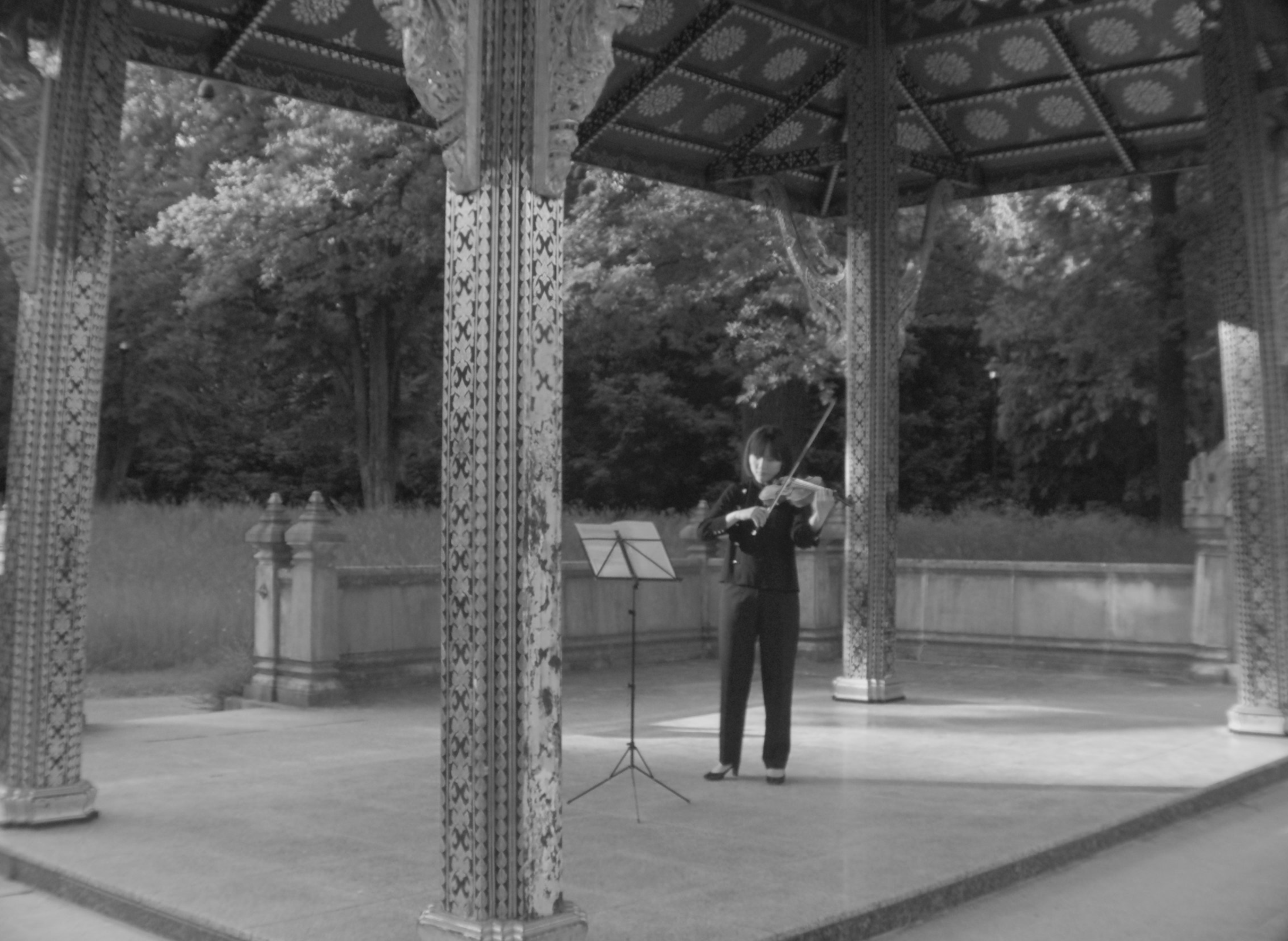
Ngoc Nau, Virtual Reverie: Echoes of a Forgotten Utopia, 2023, Video Still. Courtesy the Artist.
Exhibition
NTU Centre for Contemporary Art Singapore presents the second-cycle exhibition of SEA AiR – Studio Residencies for Southeast Asian Artists in the European Union (SEA AiR), a programme developed by NTU CCA Singapore and funded by the European Union.
NTU Centre for Contemporary Art Singapore presents the second-cycle exhibition of SEA AiR – Studio Residencies for Southeast Asian Artists in the European Union (SEA AiR), a programme developed by NTU CCA Singapore and funded by the European Union. Titled Passages, this exhibition features new works by artists Priyageetha Dia (Singapore), Ngoc Nau (Vietnam) and Saroot Supasuthivech (Thailand), inspired by their three-month-long residencies in Europe.
As part of the SEA AiR programme, Dia had undertaken her residency at Jan van Eyck Academie (Netherlands), Nau at Rupert (Lithuania) and Supasuthivech at Künstlerhaus Bethanien (Germany) through the summer. During their time in Europe, they were also funded for field trips supporting further inquiry into their respective areas of research. Passages speak of the three artists’ journeys across geographical and cultural boundaries from one continent to another; the cultural exchanges that take place during this time; and the continuous development of ideas as they return to their home countries to create new works for the exhibition in Singapore.
Employing new media technologies to aid their storytelling, each artist creates speculative narratives that traverse time and space, shifting between the past and present. Dia’s research on the colonial impact on Malayan plantations is manifested through soundscapes; Nau’s video work navigates the fast-changing urban and social landscape in Vietnam against a backdrop of its Socialist past and Supasuthivech’s installation traces the evolution of Thai funerary rituals and practices as they travel. While distinct in their artistic research and practices, their works evoke memories and explore meanings in liminal spaces, reverberating in their journey from one passage to the next.
Passages will be held through Singapore Art Week 2024, with a public programme taking place on 20 January 2024. Details will be updated here.
Passages SEA AiR – Studio Residencies for Southeast Asian Artists in the European Union Cycle 2 Exhibition
Opening reception: 28 November 2023, 6–9pm Refreshments will be served
Opening hours: 1 December 2023 – 14 January 2024: Friday – Sunday, 1–7pm 19 – 28 January 2024: Tuesday – Sunday, 1–7pm 20 and 27 January 2024: Saturday, 1–9pm Closed on 24, 25, 31 December 2023 and 1 January 2024
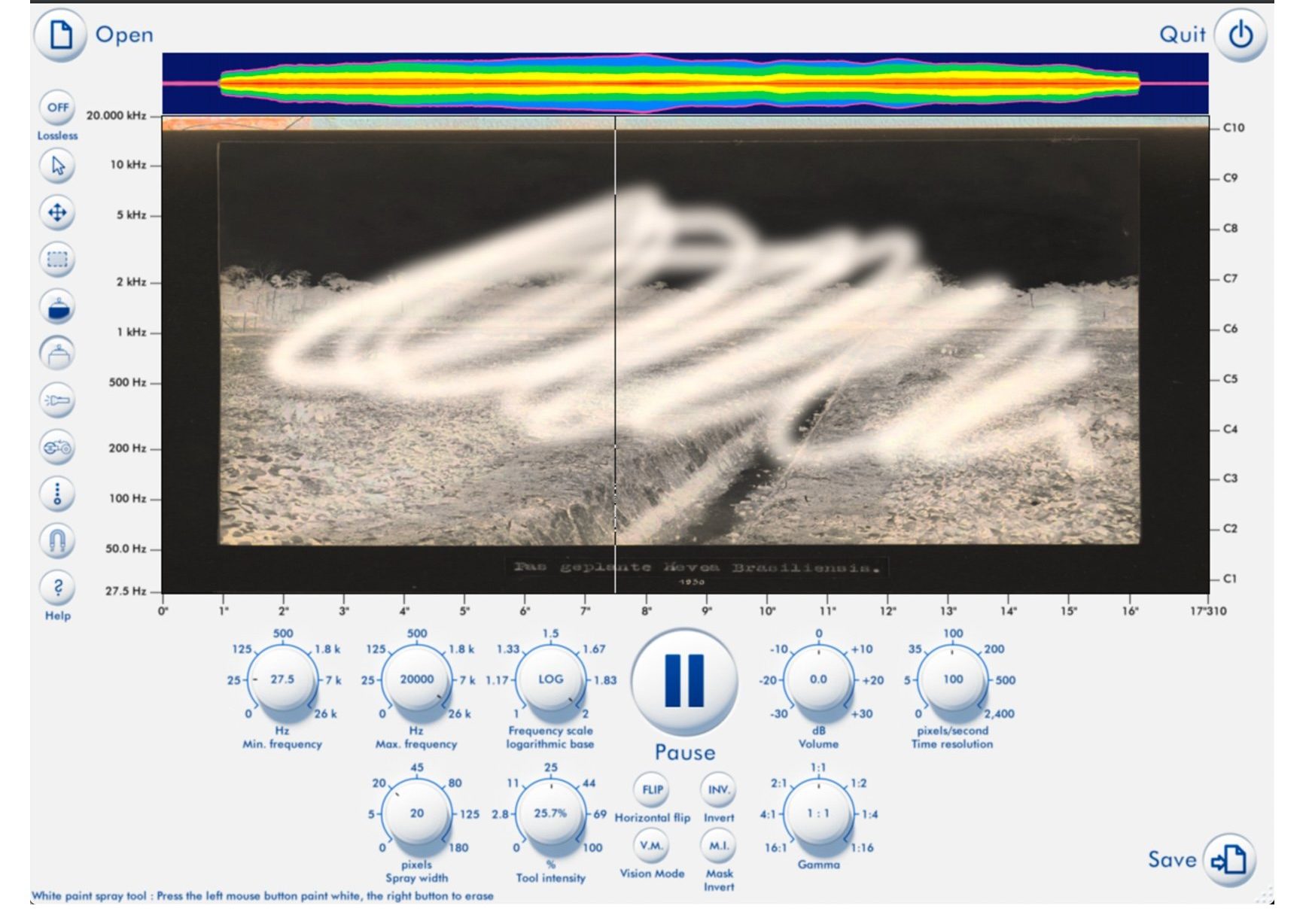
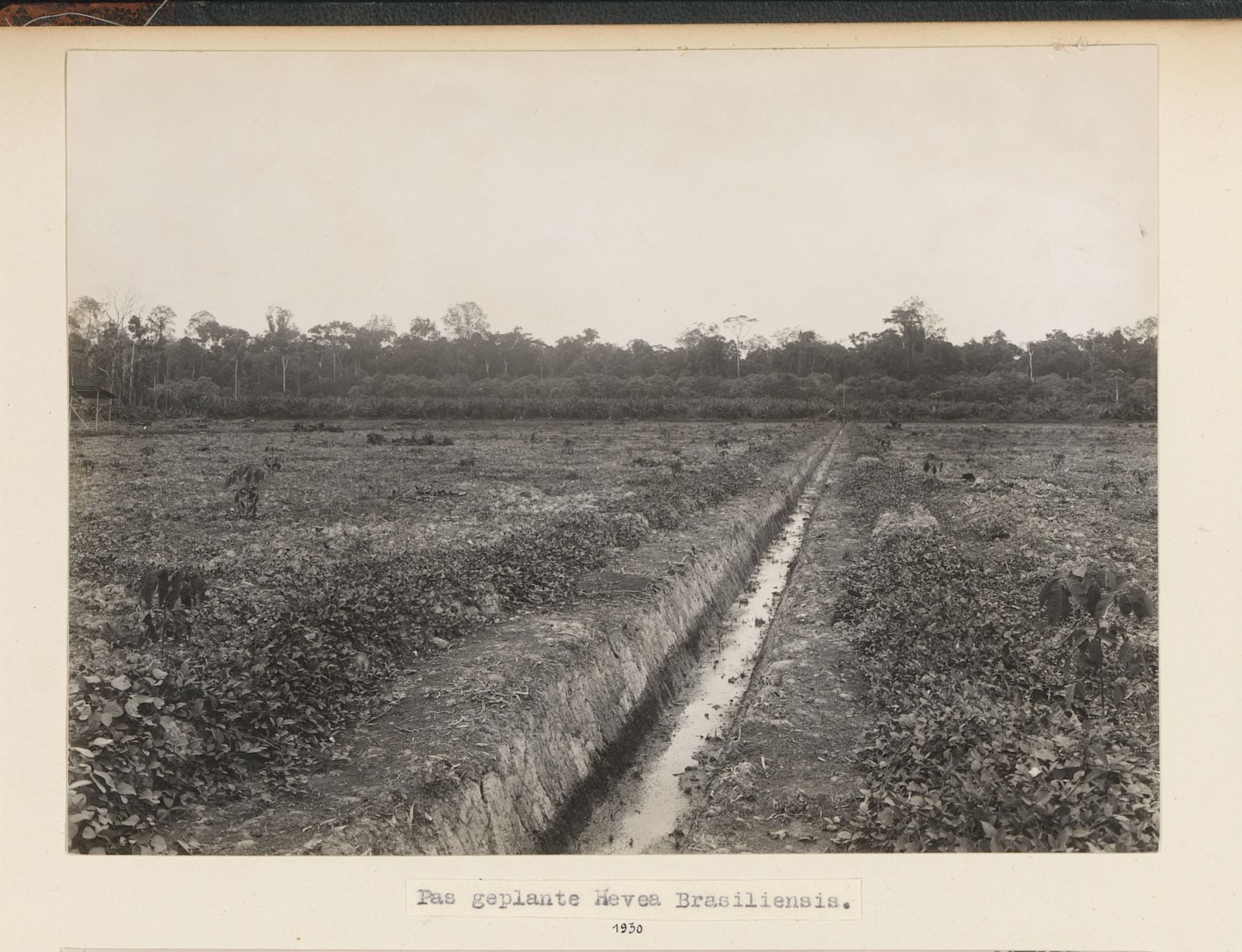
Priyageetha Dia’s research interest lies in the plantations of Southeast Asia and their colonial histories, including those of migrant labour and structures of production and power. She explores gaps in historical records that are not only text-based, but also non-textual ones such as photographs, artefacts and oral interviews. Her four-channel sound installation Sap Sonic (2023) is a sonification of images from the photo album of the Sumatra Caoutchouc Company, a rubber planting company, from the archives of Rijksmuseum, Amsterdam. Beyond their visual representations, the images bear witness to the power dynamics between the coloniser and its labourers as well as the hierarchy between nature and machine. Reframing this landscape from a visual to a sonic one, Sap Sonic serves as an aural gateway to the plantations as it delves into the lived yet unspoken lives of those who work on and inhabit the plantations, both human and nonhuman. Accompanying the work, Sap Script (2023) is a text installation in white latex paint, referencing rubber sap, on a black, obsidian-like background. Its typeface echoes the slender and linear structure of rubber trees, distorted to resemble the waveform of sound waves. Through the intangible, unseen nature of sound, Sap Sonic probes aspects of the visual world; expanding the agentive possibilities of the uncounted and the underheard.
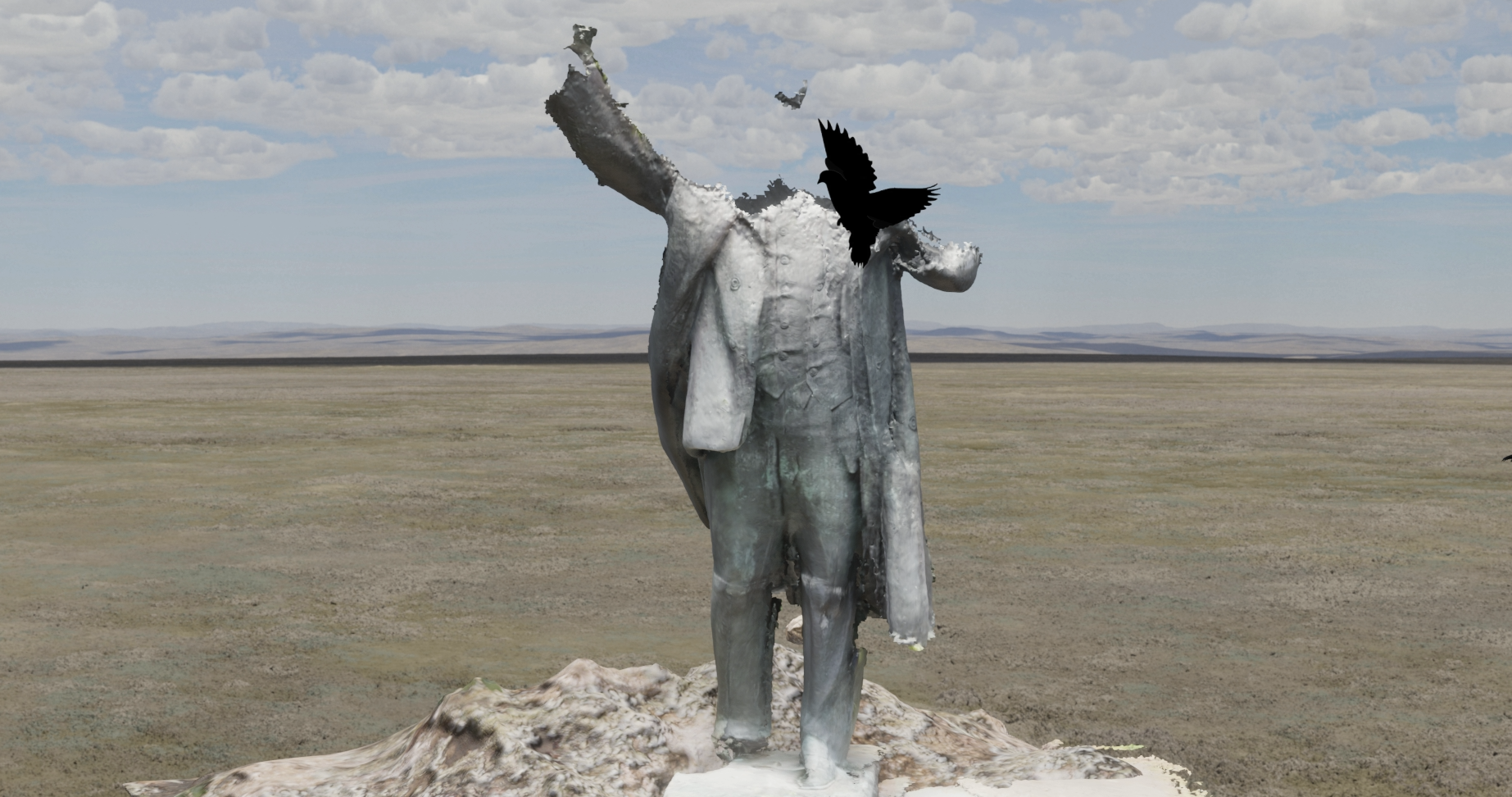
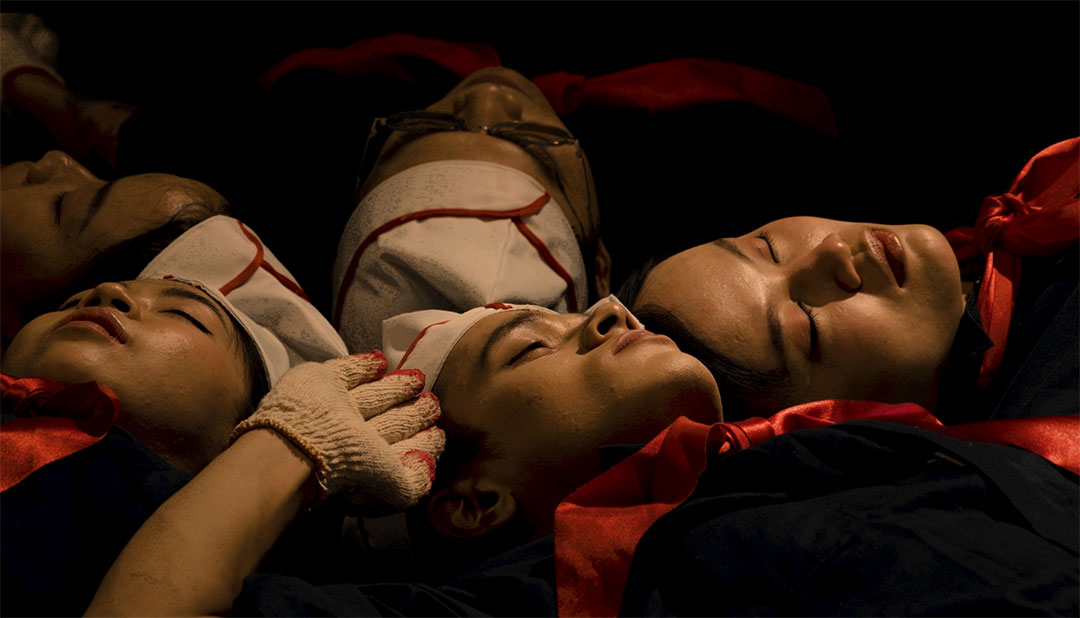
Upon her arrival in Vilnius, Lithuania, for her residency, Ngoc Nau was drawn to Soviet-era architectural elements in the city, such as the Soviet brutalist architecture of the Vilnius Palace of Concerts and Sports. She also became intrigued with the iconic image of a Lenin statue being removed, with its legs severed, from the city centre square in 1991. This imagery became a point of departure for her exploration into multifaceted aspects of post-Soviet realities in her own country. Portraying contemporary life amidst the remnants of socialist architecture and monuments using 3D animation and visual effects, Nau’s video installation, Virtual Reverie: Echoes of a Forgotten Utopia (2023), demonstrates the transformative power of technology in reshaping our perceptions of reality. Central to the work is a constructed representation of the Vietnam-Soviet Friendship Palace of Culture and Labour in Hanoi, Vietnam, that serves as a stage for five hip-hop dancers embarking on a symbolic journey. As they interact with elements drawn from historical references in Vietnam and Lithuania, the dancers bridge the gap between historical artifacts and contemporary experiences. Echoing the ebb and flow of ideologies, their passage brings about new meanings when past memories evolve in the face of shifting landscapes.
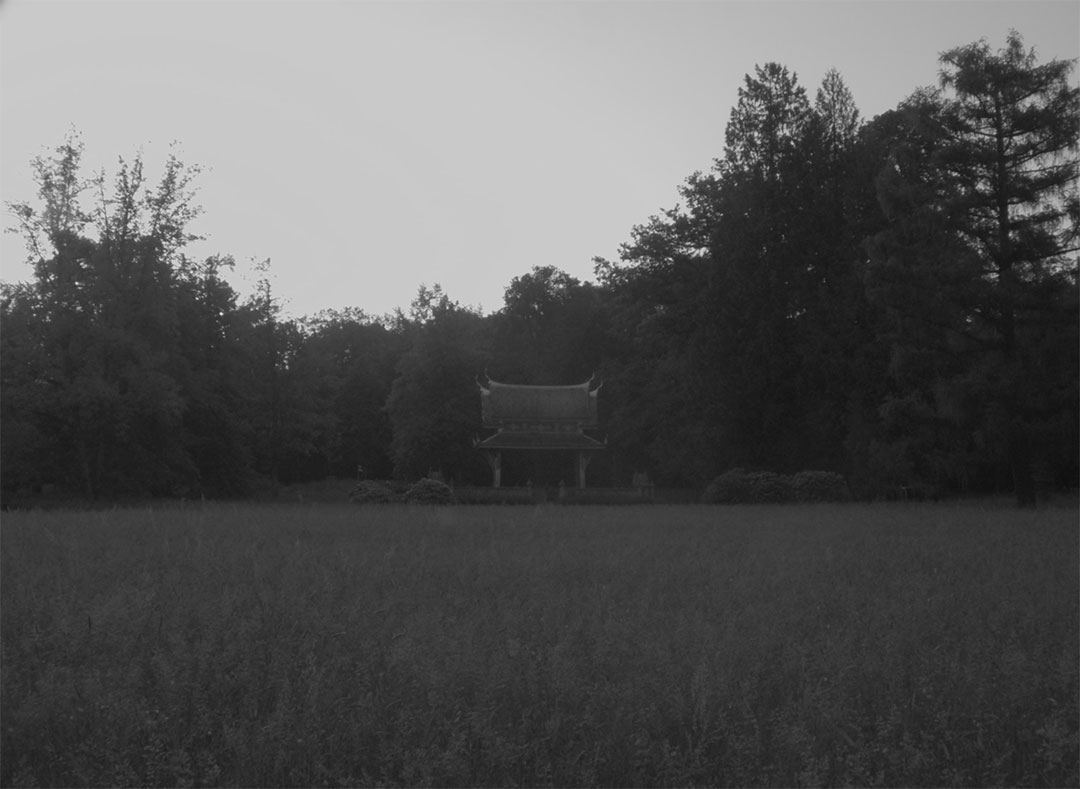
Saroot Supasuthivech’s multimedia installation, Spirit-forward in G Major (2023), charts the transformative journey experienced by Thai expatriates in Germany, told through a metaphoric cycle of life, death and rebirth. The work’s narrative unfolds in four parts. “New Beginnings” uses therapeutic dialogues to depict the initial migrant experience. “A Surreal Interlude”, based on interviews conducted with Thai monks and nuns in Berlin, transports viewers into a realm of magic and mortality inspired by Grimm’s fairy tales. The third segment focuses on a Thai music score Sai Samon, the oldest documented. Finally, “A Glimpse Beyond” dives into a poetic meditation on death and the afterlife, told from the viewpoint of the deceased. This poignant culmination is an exploration into a liminal reality between the familiar and the surreal, encapsulating the interplay of tradition, adaptation and preservation within an evolving cultural landscape.
Images
✕
Priyageetha Dia, Sap Sonic (2023), screenshot from four-channel sound installation, 14 minutes, Passages, 28 November 2023–28 January 2024, NTU Centre for Contemporary Art Singapore. Courtesy the artist and NTU CCA Singapore.
Priyageetha Dia, Sap Sonic (2023), archival image from four-channel sound installation, 14 minutes, Passages, 28 November 2023–28 January 2024, NTU Centre for Contemporary Art Singapore. Courtesy the artist and NTU CCA Singapore.
Ngoc Nau, Virtual Reverie: Echoes of a Forgotten Utopia, 2023, video still. Courtesy the artist.
Ngoc Nau, Virtual Reverie: Echoes of a Forgotten Utopia, 2023, video still. Courtesy the artist.
Saroot Supasuthivech, Spirit-Forward In G Major, 2023, video still. Courtesy the artist.
Saroot Supasuthivech, Spirit-Forward In G Major, 2023, video still. Courtesy the artist.
⟶
⟵
Collateral for Passages
Over 12,000 assets documenting our exhibitions, residencies, programmes and research available at the CCA Digital Archive.
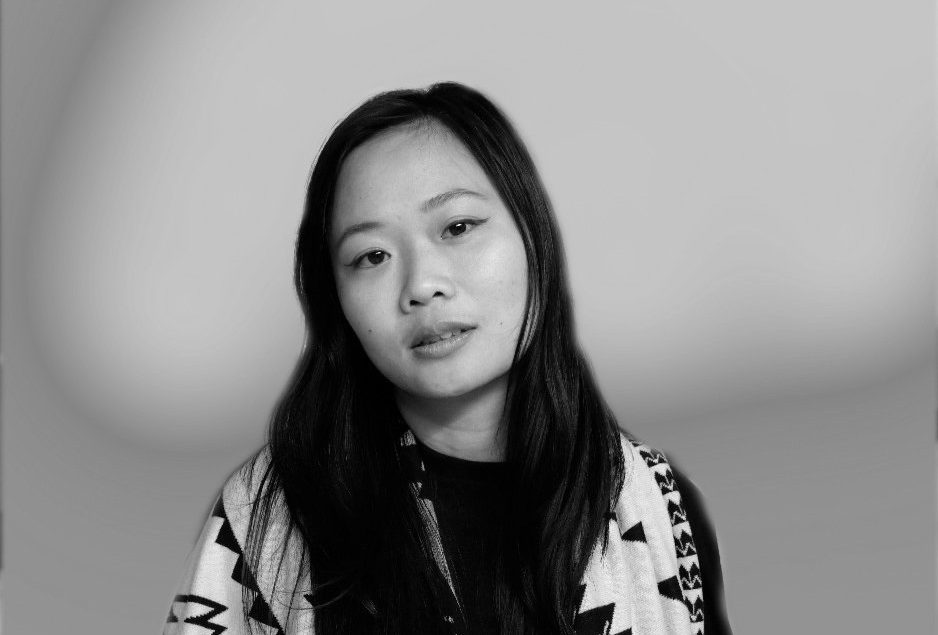
Spanning moving image, sculpture, as well as performative installations, Priyageetha Dia (b. 1992, Singapore) addresses identity politics by questioning dominant narratives and socio-spatial relations. In the past few years, her practice has been consistently experimenting with a variety of world-making gestures that envision alternative futures. Her works have been part of several group exhibitions including, Attention Seeker, La Trobe Art Institute, Bendigo, Australia (2022); An Exercise of Meaning in a Glitch Season, National Gallery Singapore (2020); 2219: Futures Imagined, ArtScience Museum Singapore (2019). She was a recipient of the IMPART Art Award in 2019.
Ngoc Nau
Artist-in-Residence
Vietnam
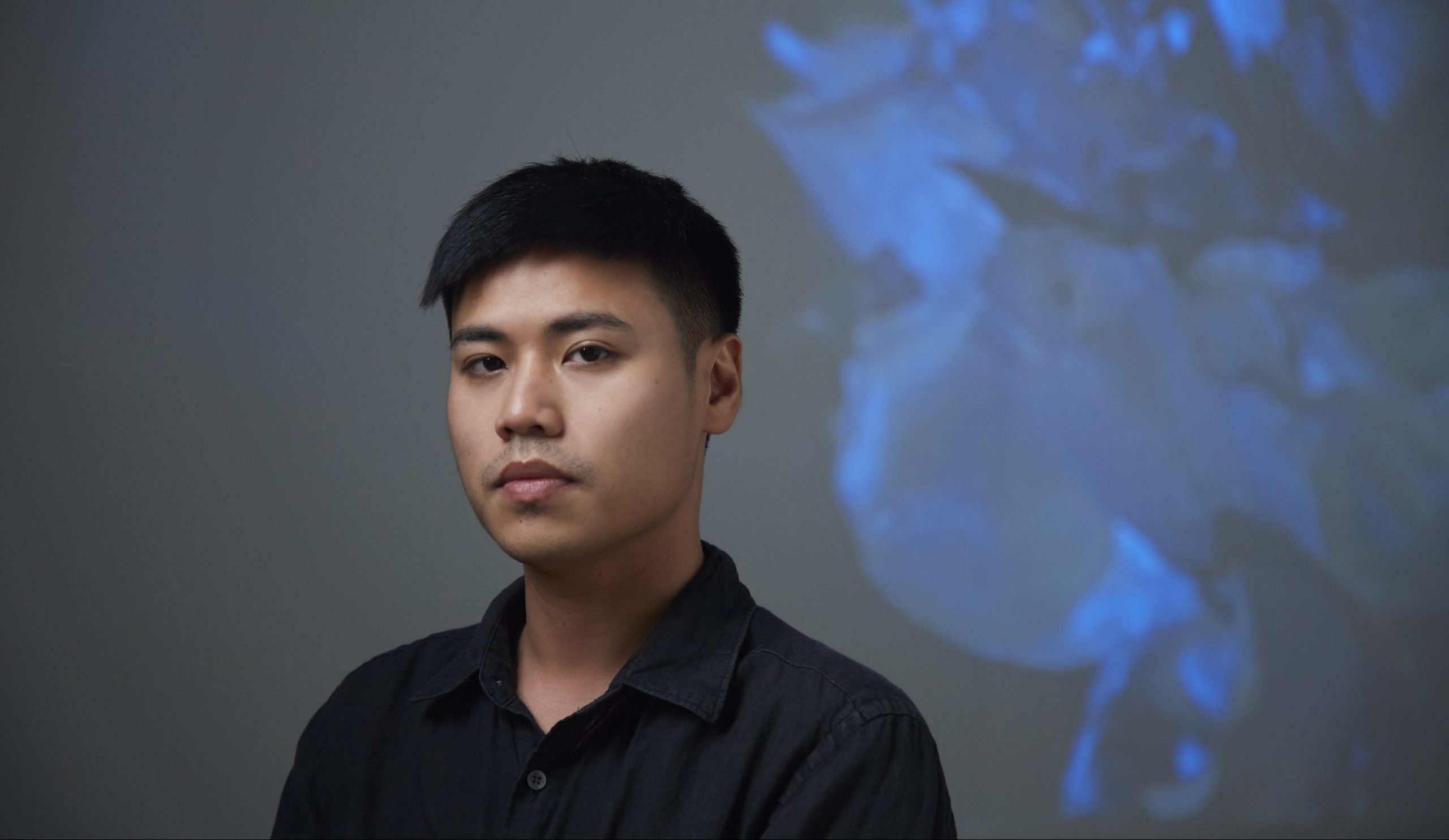
The multimedia practice of Ngoc Nau encompasses photography, holograms, and Augmented Reality (AR) and she is currently working with 3D software and other open source technologies to create new possibilities for video installation. In Nau’s work, different materials and techniques attempt to capture the subtle ways in which new media shape and dictate our views of reality. Blending traditional culture and spiritual beliefs with modern technologies and lifestyles, her work often responds to Vietnam’s accelerated urban development. She has participated in several exhibitions across Asia, including the Thailand Biennale, Korat (2021) and the Singapore Biennale (2019) among others. She also participated in documenta 15, Kassel, Germany (2022) with Sa Sa Art Projects.
Saroot Supasuthivech
Artist-in-Residence
Thailand
Drawing from oral histories and unwritten memories, the works of Saroot Supasuthivech unearth the multiplicity of narratives embedded in specific locations. His installations often combine moving image and sound to conjure the affective aura of a site and bring forth its intangible socio-historical stratifications. Using photogrammetry techniques, he turns 2D images into 3D models as a way of to blur the lines between the real and the mythical. His latest video installation, River Kwai: This Memorial Service Was Held in the Memory of the Deceased (2022), was featured in the Discoveries Section at Art Basel Hong Kong 2022.